

🌵 Care Guide
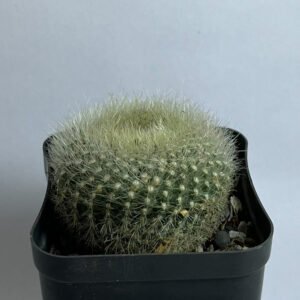
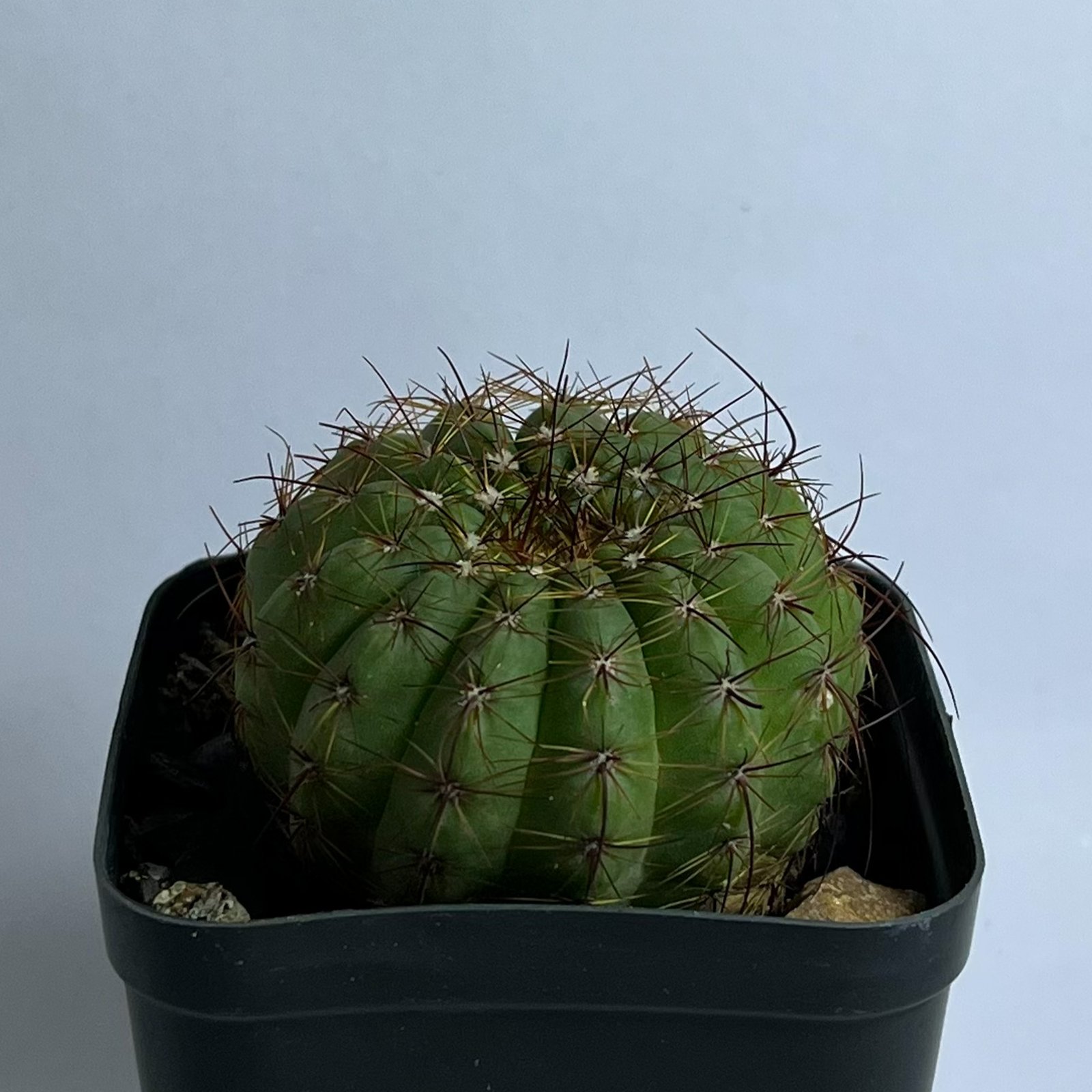
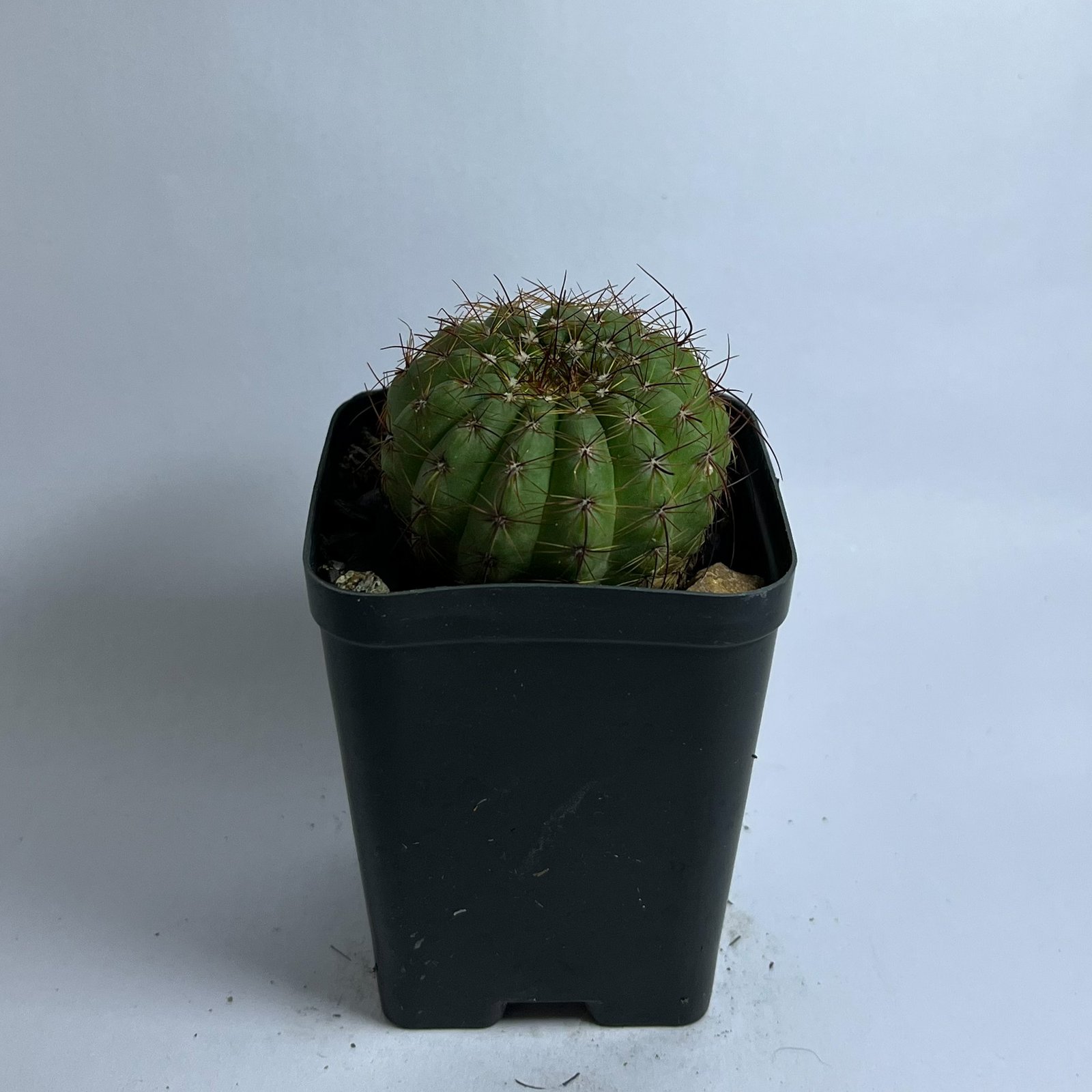
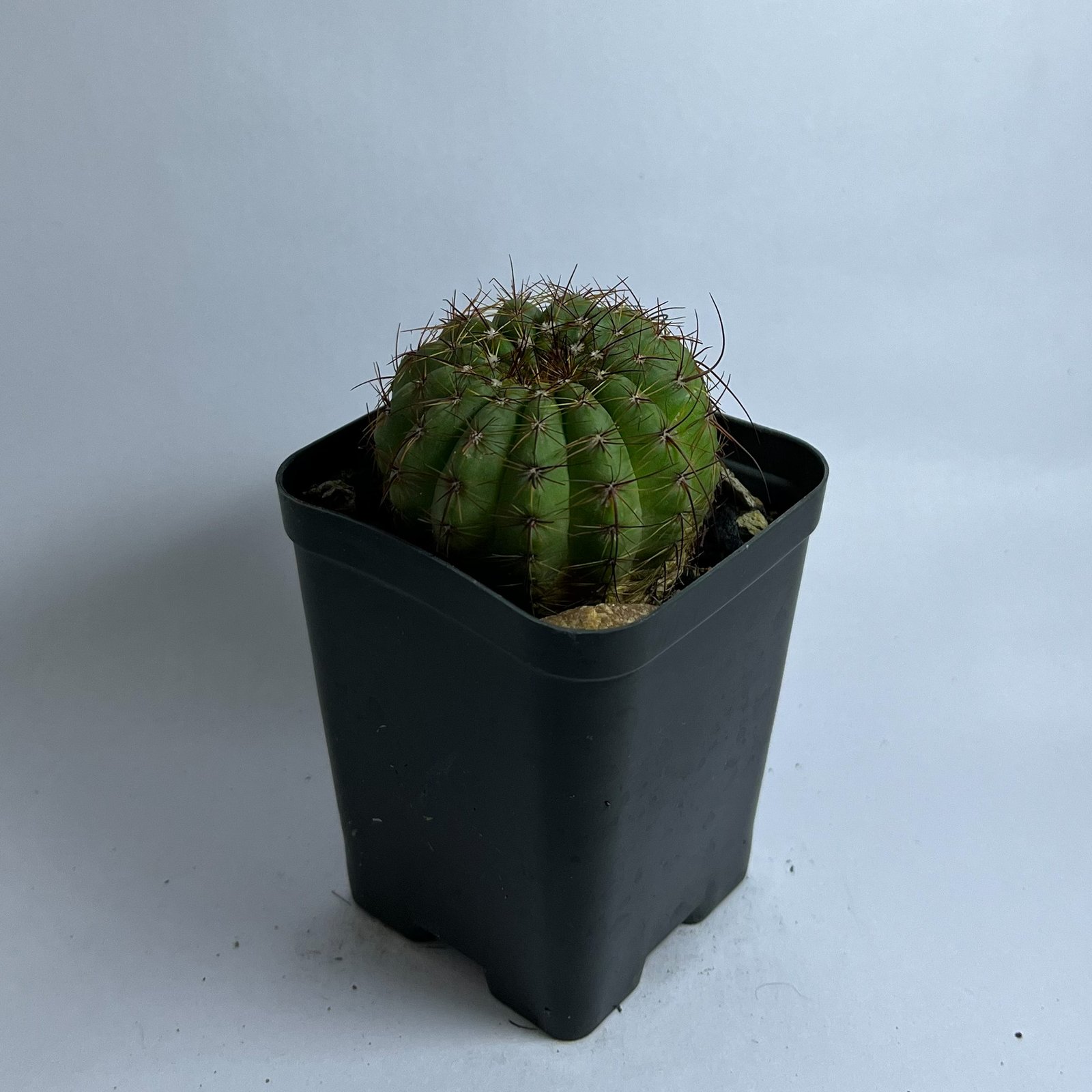
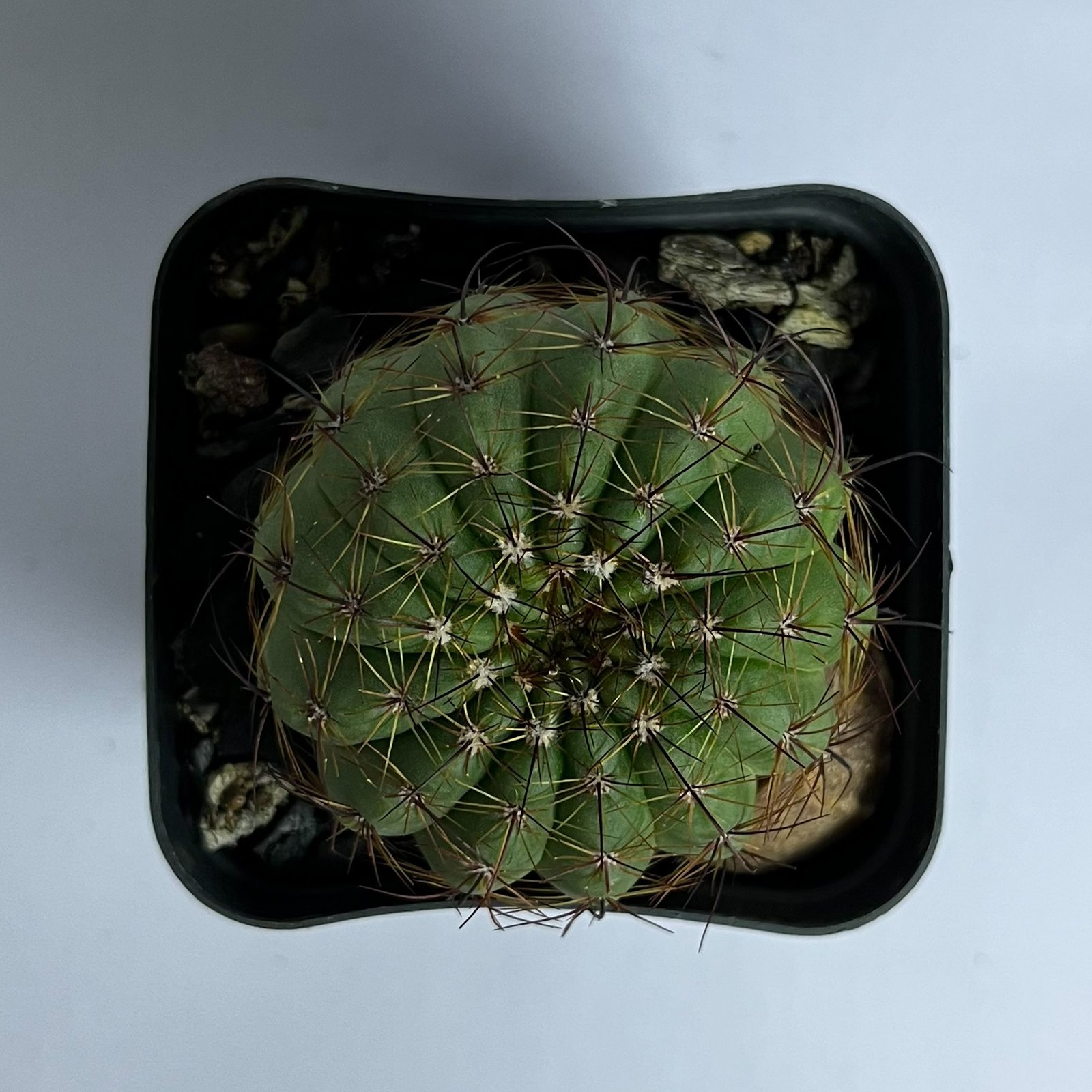
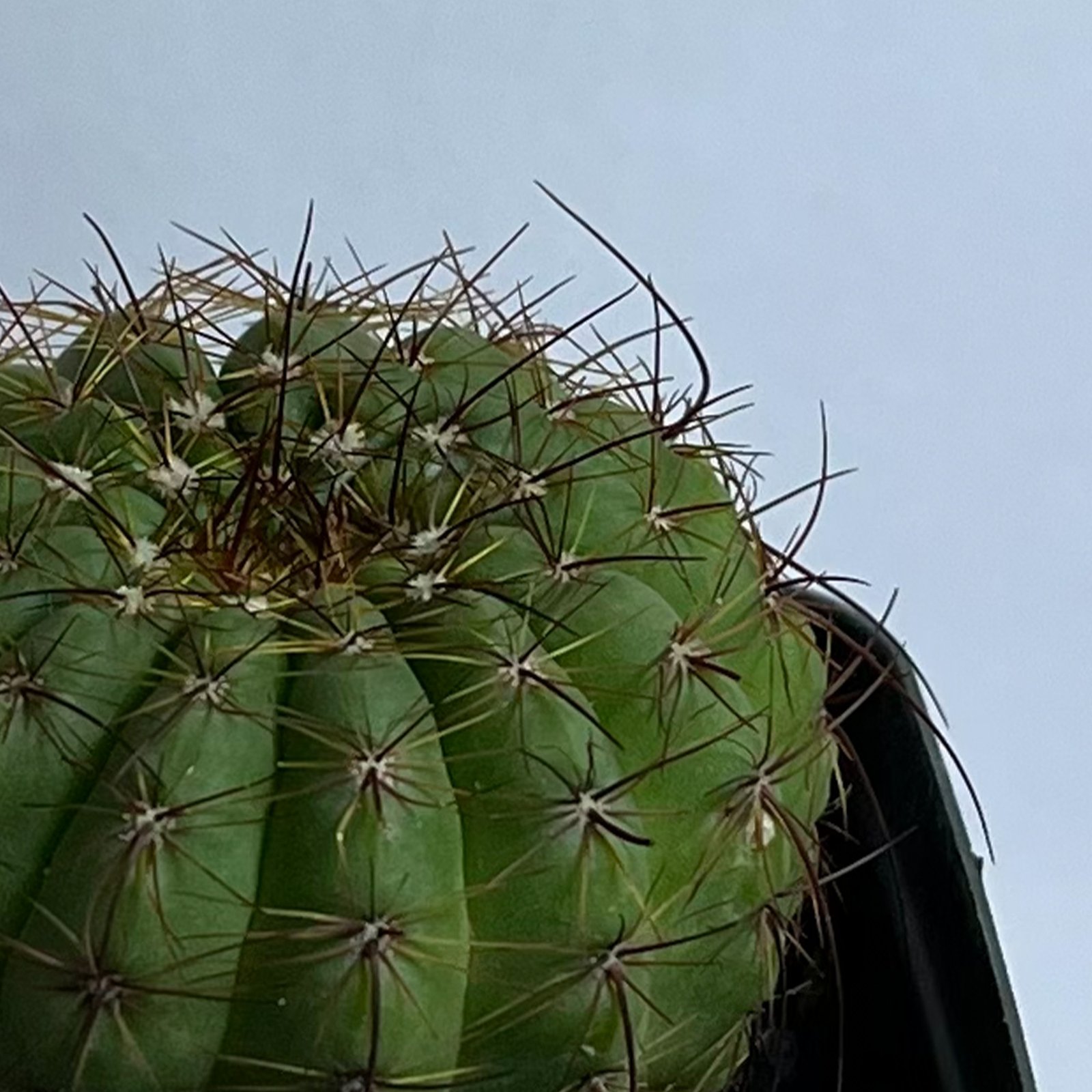
Notocactus ottonis, now generally accepted as Parodia ottonis and commonly known as the Indian Head Cactus, is a beautiful globular cactus native to southern Brazil, Uruguay, Paraguay, and northeastern Argentina. It has a green to blue-green rounded body with distinct ribs and attractive curved spines. The plant can remain solitary when young and gradually produce offsets with age. It is especially admired for its bright yellow flowers, which appear around the crown during the warmer growing season. :contentReference[oaicite:0]{index=0}
☀️ Light
- Prefers bright light to full sun.
- Morning and filtered sunlight are beneficial, while some protection from intense afternoon heat can be provided during very hot summer weather.
- Indoors, place it close to a bright south or west-facing window.
- Gradually acclimate the plant to stronger sunlight to prevent sunburn.
💧 Watering
- Spring & Summer: Water thoroughly but only when the soil is completely dry.
- Allow excess water to drain completely before watering again.
- Autumn: Gradually reduce watering as growth slows.
- Winter: Keep watering very limited, especially when temperatures are low.
- ⚠️ Never allow the plant to sit in standing water, as excess moisture can cause root rot.
🌡️ Temperature
- Prefers warm temperatures during active growth, around 18–27°C.
- Can tolerate cooler conditions when kept dry.
- Protect from prolonged freezing temperatures and cold, wet conditions.
- A cool and relatively dry winter rest can help encourage flowering.
🌱 Soil
- Requires a porous, fast-draining cactus soil mix.
- Adding pumice, perlite, or coarse sand improves drainage and prevents water retention.
- A slightly acidic to neutral, well-drained growing medium is suitable.
- Avoid heavy soils that remain wet for long periods.
🍽️ Fertilizer
- Feed during the active growing season with a diluted, low-nitrogen cactus fertilizer.
- Apply fertilizer approximately every 6–8 weeks during active growth.
- Do not fertilize during the winter resting period.
🪴 Potting
- Use a pot with excellent drainage holes.
- Choose a container that provides enough room for its developing root system without being excessively large.
- Repot only when necessary, preferably during the warmer growing season.
- Handle the roots carefully during repotting and avoid immediately watering if roots have been disturbed.
🌸 Flowering
- Produces beautiful bright yellow, funnel-shaped flowers around the crown.
- Flowers can reach approximately 6 cm across.
- Flowering generally occurs during spring and summer.
- Some plants can flower at a relatively young age when provided with suitable growing conditions.
- Good light and a cool, relatively dry winter rest can encourage abundant flowering. :contentReference[oaicite:1]{index=1}
🌱 Growth & Appearance
- Usually develops a rounded to slightly cylindrical green or blue-green body.
- The plant has distinct rounded ribs with slender, curved or twisted spines.
- It may remain solitary when young and gradually produce offsets around the base as it matures.
- With age, it can form an attractive small cluster.
🌱 Propagation
- Can be propagated from seeds or offsets.
- Offsets can be separated carefully and rooted in a porous, dry growing medium.
🎥 Need Help?
Watch detailed care guides, watering tips, repotting tutorials, and seasonal cactus care on our
YouTube channel – Cactus in Jalandhar
Watch detailed care guides, watering tips, repotting tutorials, and seasonal cactus care on our
YouTube channel – Cactus in Jalandhar