



🌵 Care Guide
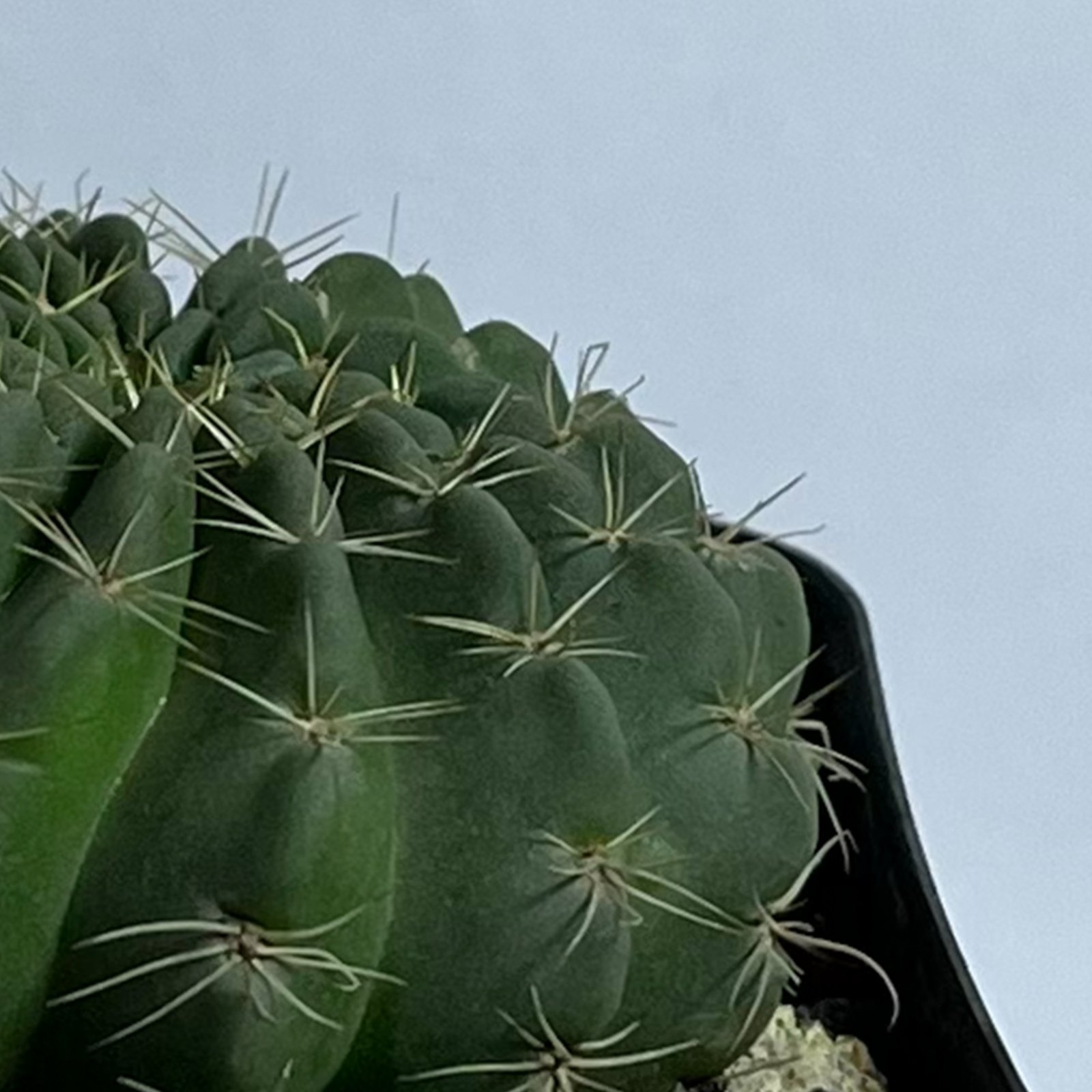
Parodia turbinata, also known as Wigginsia turbinata, is a slow-growing, usually solitary cactus that can develop a rounded body and a large taproot. The plant starts with more prominent spines and becomes increasingly woolly with age. During summer, it can produce several glossy yellow flowers around its woolly crown. It is relatively easy to grow and performs well in warm, bright conditions with a porous, gritty soil mix.
☀️ Light
- Prefers bright filtered light to partial sun.
- Morning sunlight is beneficial for healthy growth and flowering.
- During very hot summer afternoons, protect the plant from intense direct sunlight.
- Indoors, place it near a bright east or south-facing window.
- Good light helps maintain compact growth and encourages flowering.
💧 Watering
- Spring & Summer: Water thoroughly when the soil is completely dry.
- During active growth, it can appreciate regular watering as long as the soil drains quickly.
- Allow excess water to drain completely before watering again.
- Autumn & Winter: Keep the plant much drier and reduce watering significantly.
- ⚠️ Avoid wet soil during cold weather, as the plant can be prone to root loss and rot.
🌡️ Temperature
- Prefers warm temperatures during the growing season.
- It is relatively cold-tolerant compared with many other tropical-growing cacti when kept dry.
- Protect from prolonged cold combined with wet soil.
- Good ventilation is beneficial, particularly during humid weather.
🌱 Soil
- Requires a very porous, fast-draining cactus mix.
- A neutral to slightly acidic, gritty mixture is suitable.
- Add pumice, perlite, coarse sand, or other mineral material to improve drainage.
- Because the plant develops a large taproot, the soil should remain loose and well aerated.
- Avoid heavy or moisture-retentive soils.
🍽️ Fertilizer
- Feed lightly during spring and summer with a diluted cactus fertilizer.
- Fertilize only while the plant is actively growing.
- Do not fertilize during the winter resting period.
🪴 Potting
- Use a pot with excellent drainage holes.
- Because it develops a large taproot, provide enough depth for healthy root development.
- Repot when the plant has outgrown its container or the root system requires more space.
- After repotting, allow disturbed roots to dry before watering.
🌸 Flowering
- Produces several glossy yellow flowers around the woolly crown.
- Flowering generally occurs during mid-summer.
- Good light, active growth, and a dry winter rest can encourage flowering.
- Mature plants can produce multiple flowers during a good growing season.
🌵 Growth & Appearance
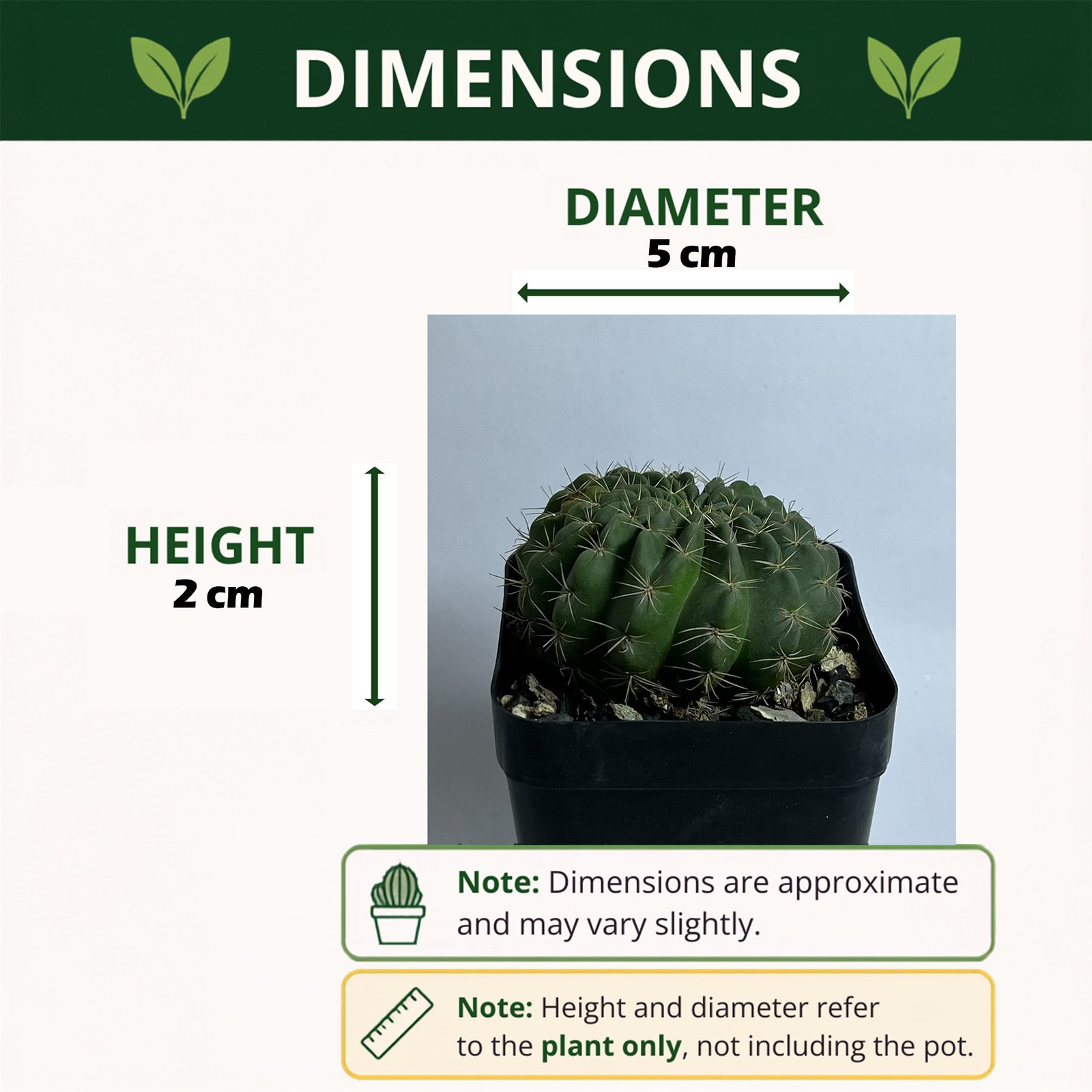
- Usually grows as a solitary rounded cactus and can reach approximately 15 cm in diameter.
- Develops around 12–20 ribs across the body.
- Young plants are more noticeably spiny, while older plants can develop a much more woolly appearance around the crown.
- The large taproot helps the plant adapt to periods of dryness.
- Its compact size and attractive yellow flowers make it well suited to container cultivation.
🐛 Pests
- Generally easy to maintain with good growing conditions.
- Occasionally, pests such as mealybugs or spider mites may appear.
- Good ventilation and avoiding excessive humidity can help reduce pest and fungal problems.
🎥 Need Help?
Watch detailed care guides, watering tips, repotting tutorials, and seasonal cactus care on our
YouTube channel – Cactus in Jalandhar
Watch detailed care guides, watering tips, repotting tutorials, and seasonal cactus care on our
YouTube channel – Cactus in Jalandhar