



🌵 Care Guide
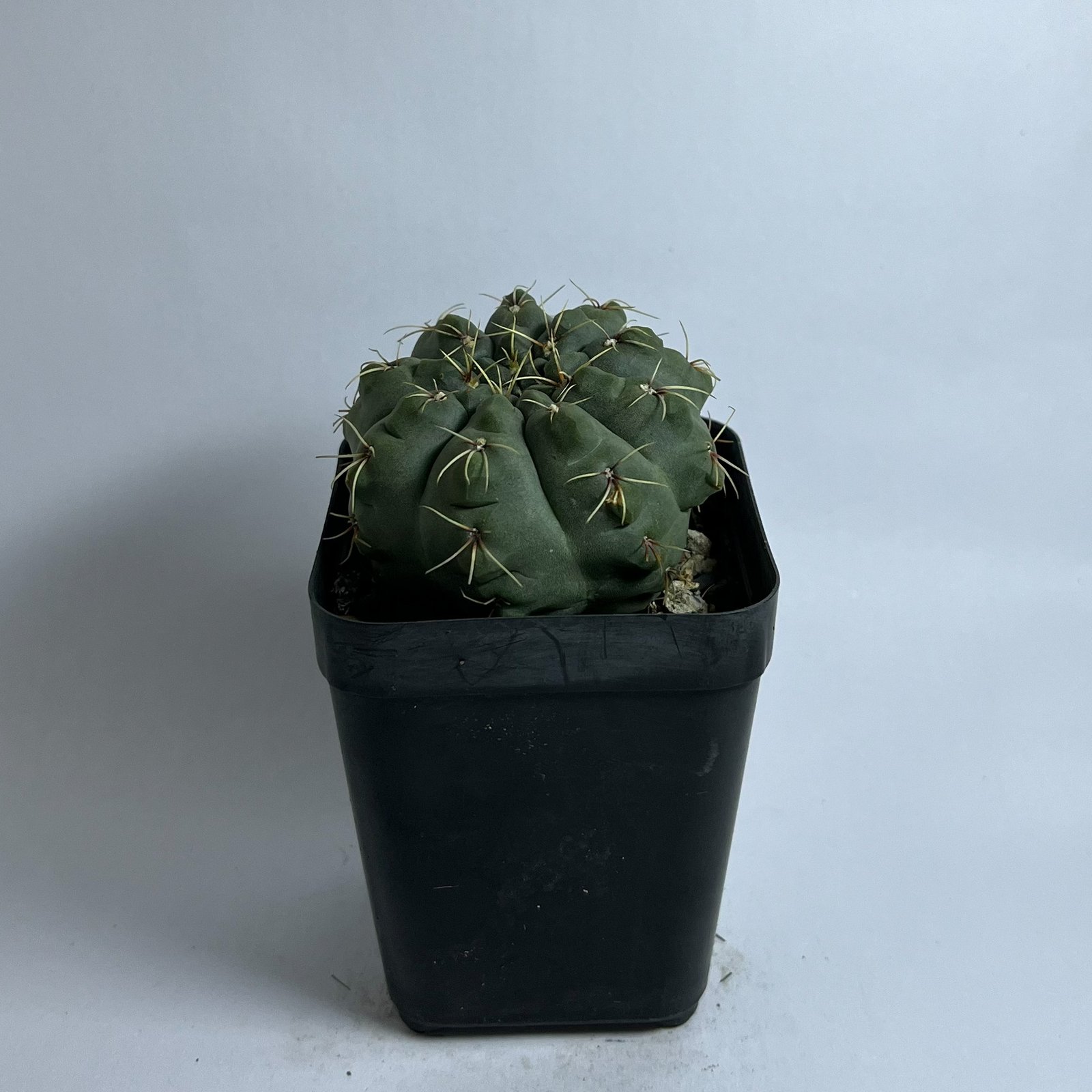
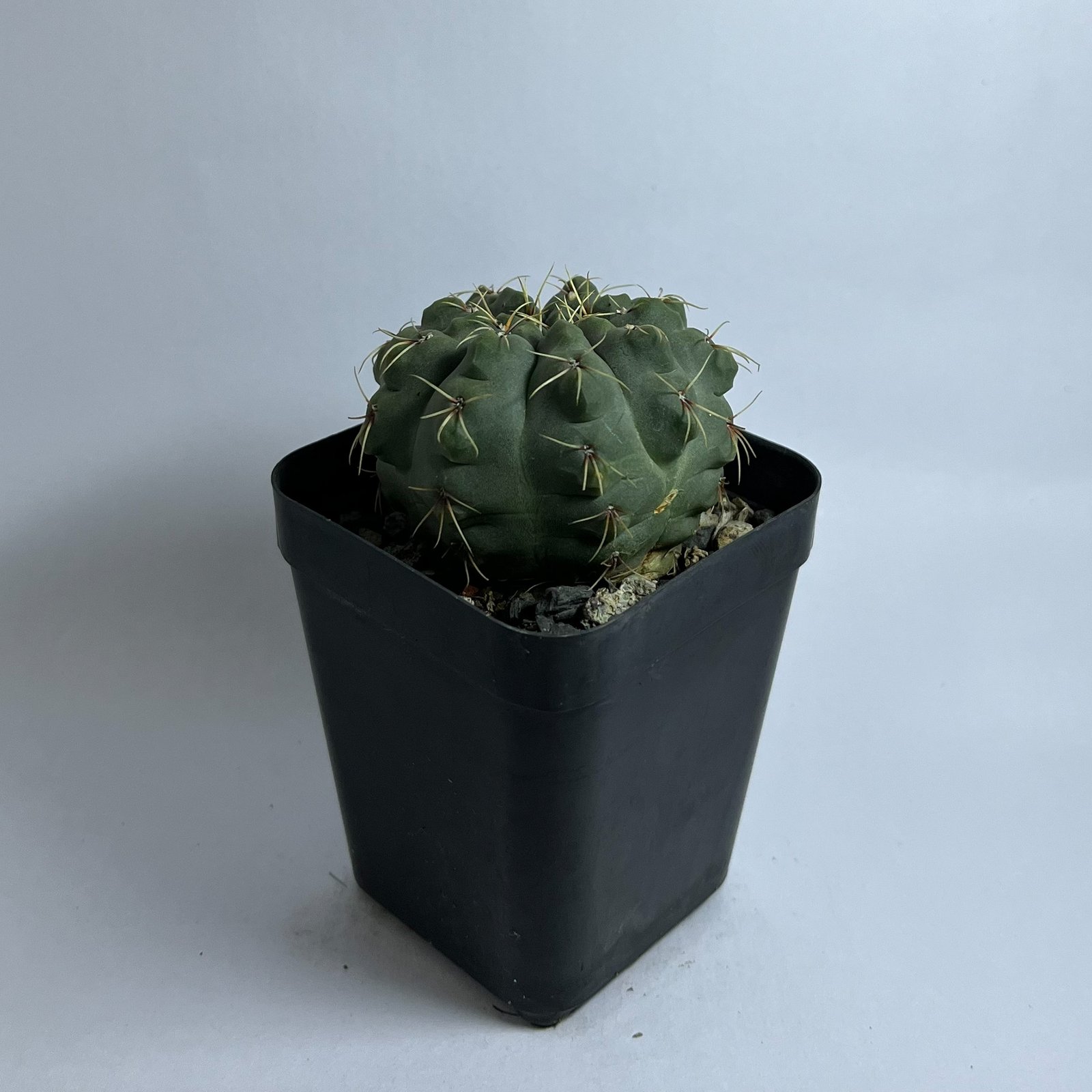
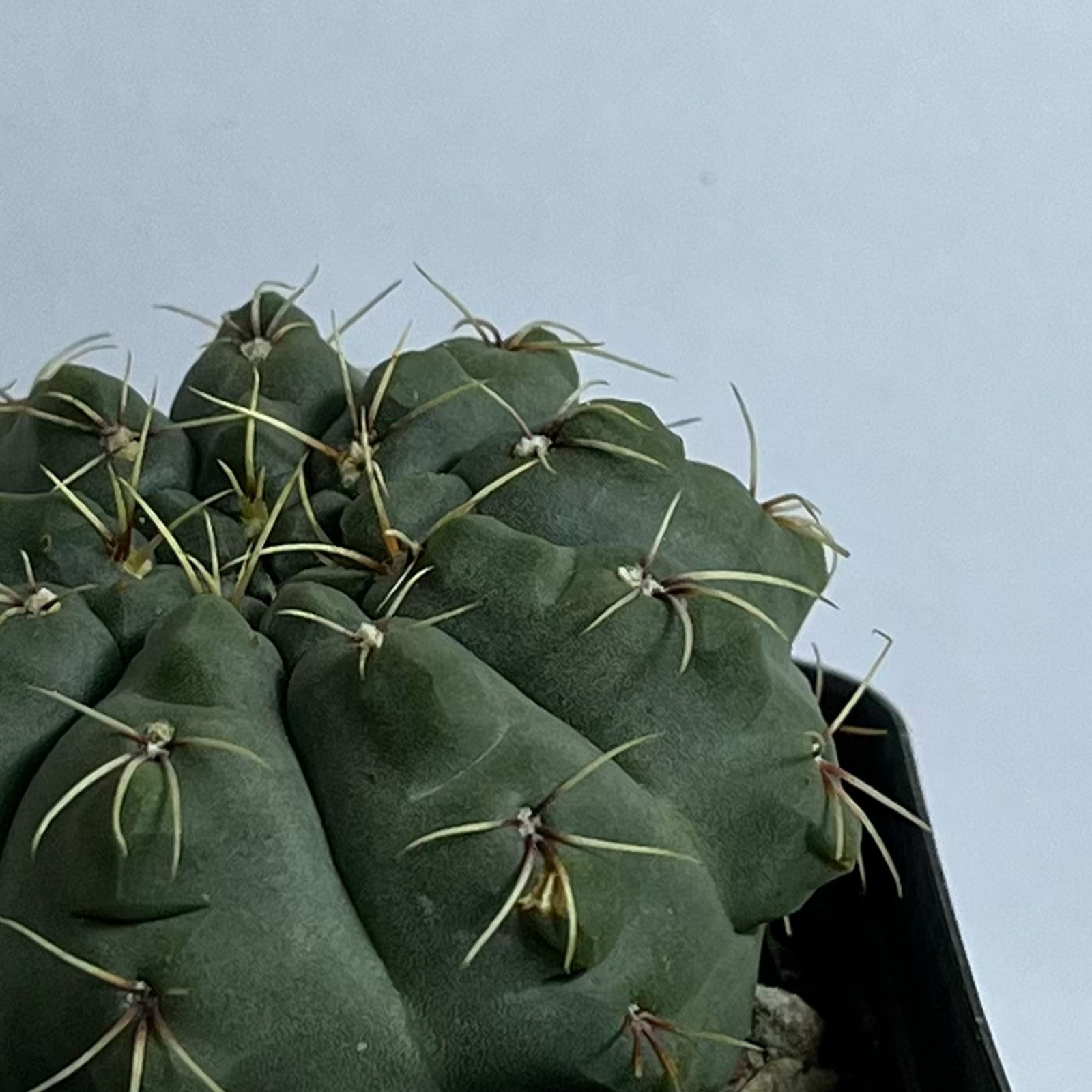
Gymnocalycium baldianum, commonly known as the Spider Cactus or Dwarf Chin Cactus, is a beautiful flowering cactus native to Catamarca Province in Argentina. It has a rounded, slightly flattened dark green to brownish body with distinctive curved spines arranged around its tubercle-like areoles. It is an easy-to-grow species and is especially admired for its colorful flowers in shades of red, pink, and orange.
☀️ Light
- Prefers bright, filtered sunlight during the growing season.
- Morning sunlight is beneficial, while intense afternoon sunlight should be filtered during very hot summer weather.
- Indoors, place it near a bright east-facing or partially shaded south-facing window.
- During winter, keep the plant in a bright location even when watering is greatly reduced.
💧 Watering
- Spring & Summer: Water thoroughly only when the soil is completely dry.
- Allow excess water to drain completely before watering again.
- Winter: Reduce watering significantly and keep the plant almost completely dry.
- ⚠️ Avoid keeping the soil constantly moist, as excess moisture can cause root rot.
🌡️ Temperature
- Prefers warm conditions during active growth.
- Can tolerate very low temperatures when kept completely dry, but frost protection is recommended for safer cultivation.
- Protect the plant from prolonged cold combined with moisture.
🌱 Soil
- Requires a porous, fast-draining cactus soil mix.
- Adding pumice, perlite, or coarse sand improves drainage.
- A gritty, well-draining mixture helps prevent root problems.
- Avoid heavy soils that retain moisture for long periods.
🍽️ Fertilizer
- Feed approximately once a month during spring and summer with a diluted cactus fertilizer.
- Fertilize only while the plant is actively growing.
- Do not fertilize during the winter resting period.
🪴 Potting
- Use a pot with excellent drainage holes.
- Choose a container that is only slightly larger than the root system.
- Repot when the plant outgrows its container, preferably during the active growing season.
- Handle carefully to avoid damaging the curved spines.
🌸 Flowering
- Produces beautiful funnel-shaped flowers in shades of red, pink, or orange.
- Flowers develop near the crown of the plant and can reach approximately 6 cm in diameter.
- Flower color can naturally vary between individual plants.
- Some plants may even display more than one flower color over the course of their blooming period.
- Good light and proper seasonal care encourage healthy flowering.
🌵 Growth & Appearance
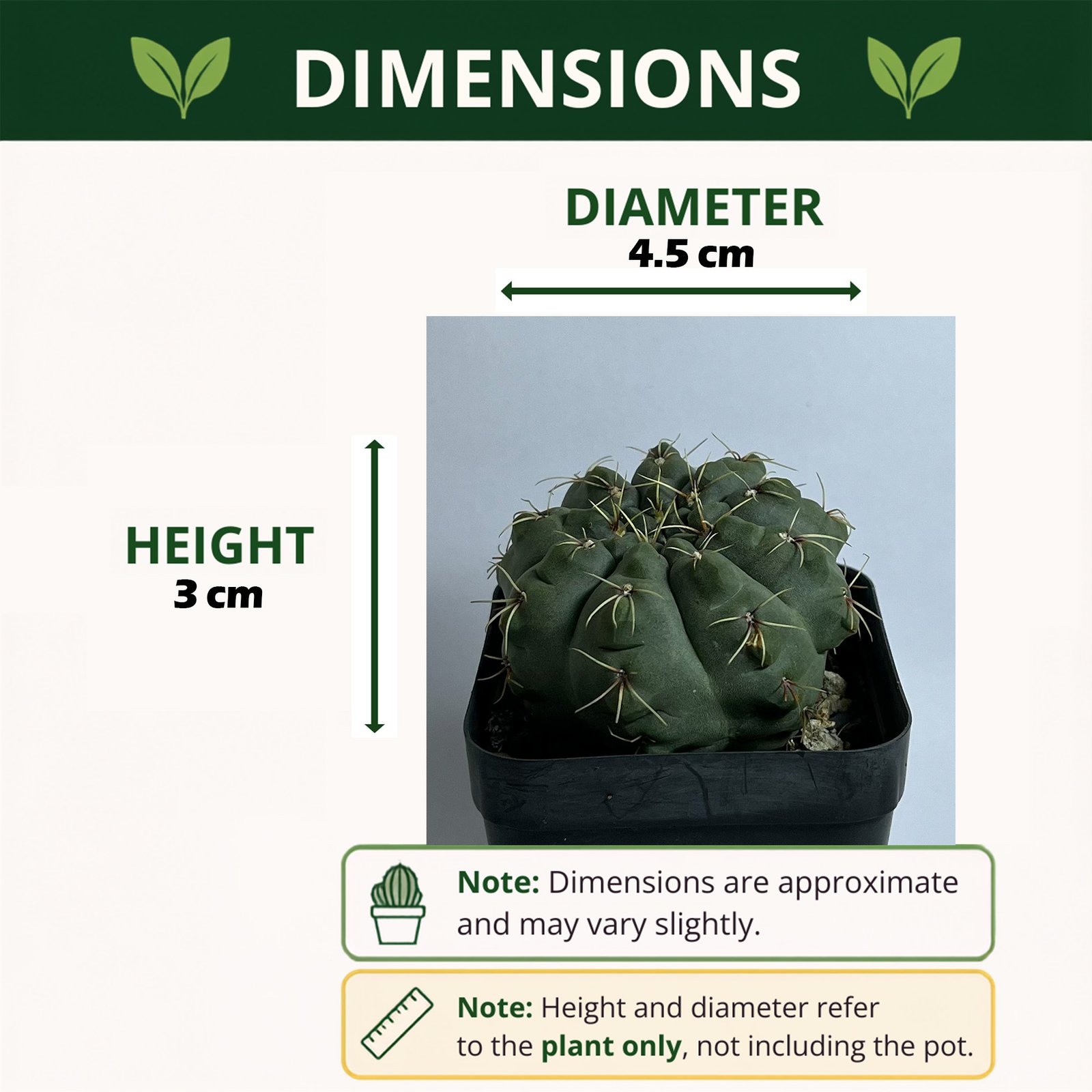
- Usually develops a spherical to slightly flattened body, generally reaching around 8 cm in diameter.
- It has approximately 8–10 ribs with groups of curved pale-grey spines.
- The plant generally remains solitary but can produce offsets after several years.
- Its curved spines give it the characteristic appearance associated with the common name Spider Cactus.
✨ Special Feature
- Gymnocalycium baldianum is considered an easy-to-grow flowering cactus.
- Its colorful flowers provide a beautiful contrast against its dark green to brownish body.
- The species has also received the Royal Horticultural Society’s Award of Garden Merit.
🎥 Need Help?
Watch detailed care guides, watering tips, repotting tutorials, and seasonal cactus care on our
YouTube channel – Cactus in Jalandhar
Watch detailed care guides, watering tips, repotting tutorials, and seasonal cactus care on our
YouTube channel – Cactus in Jalandhar