
🌵 Care Guide
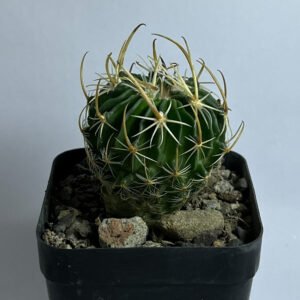
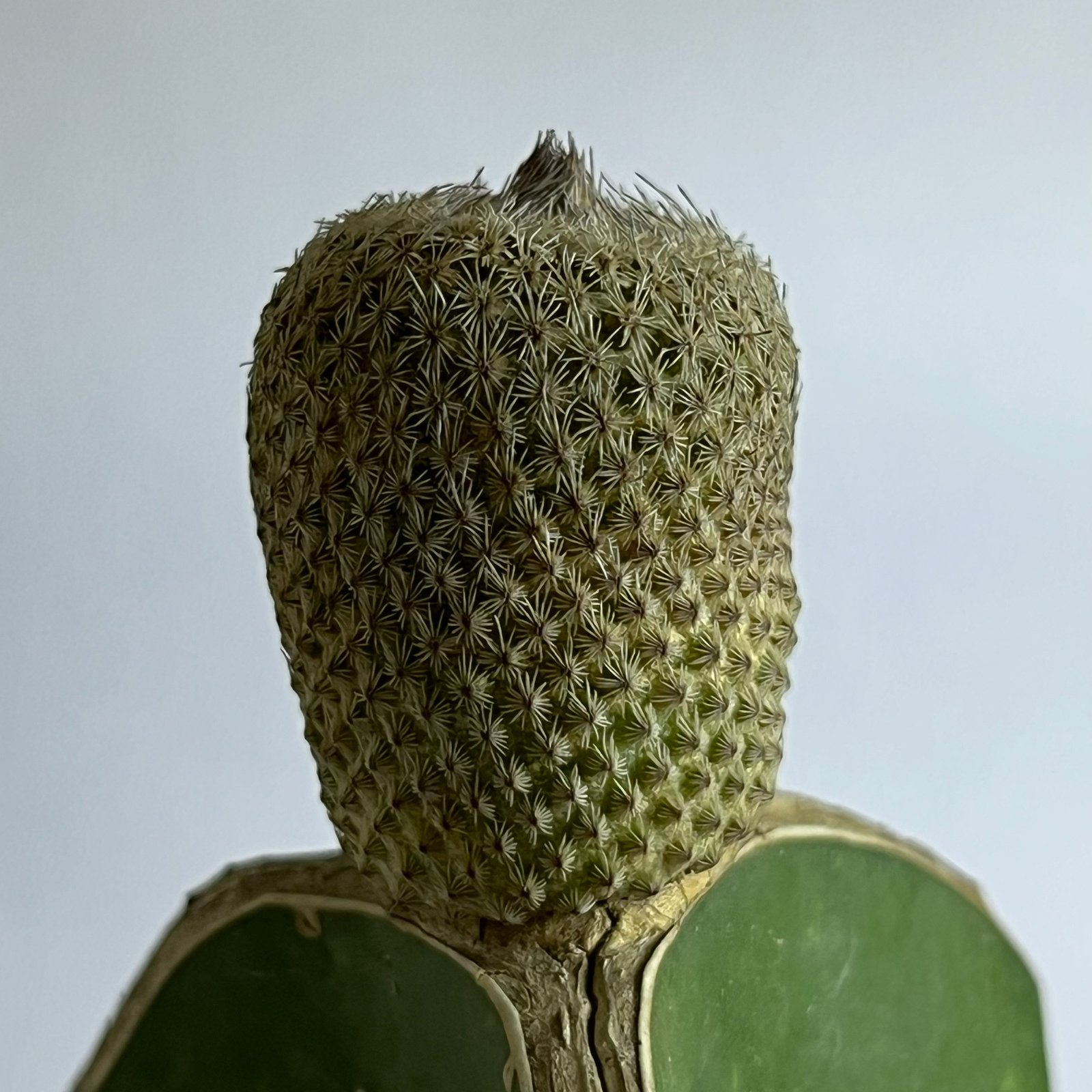
Epithelantha micromeris, commonly known as the Button Cactus or Ping-Pong Ball Cactus, is a small and attractive cactus admired for its compact rounded body and dense covering of fine white spines. Native to parts of the southwestern United States and Mexico, it is a slow-growing species that can remain small for many years. Mature plants may produce small pale pink to white flowers followed by attractive red fruits.
☀️ Light
- Prefers bright light to full sun.
- Morning sunlight is beneficial for maintaining compact growth and dense spination.
- During extremely hot summer afternoons, some protection from intense heat can be provided, especially for plants not acclimated to direct sunlight.
- Indoors, place it near a bright south or east-facing window.
- Gradually acclimate the plant to stronger sunlight to prevent sunburn.
💧 Watering
- Spring & Summer: Water thoroughly but only when the soil is completely dry.
- Allow excess water to drain completely before watering again.
- Autumn & Winter: Reduce watering significantly and keep the plant nearly dry.
- ⚠️ Avoid frequent watering because this small cactus is particularly sensitive to prolonged moisture around the roots.
🌡️ Temperature
- Prefers warm conditions during the active growing season.
- Can tolerate cooler temperatures when kept completely dry.
- Protect from prolonged cold, frost, and cold wet conditions.
- Good air circulation is beneficial, particularly in humid climates.
🌱 Soil
- Requires an extremely porous and fast-draining cactus mix.
- A mineral-rich mixture containing pumice, perlite, coarse sand, or similar materials is ideal.
- The soil should dry quickly after watering.
- Avoid heavy or moisture-retentive soils, as poor drainage can quickly lead to root problems.
🍽️ Fertilizer
- Feed lightly during spring and summer with a diluted, low-nitrogen cactus fertilizer.
- Apply fertilizer only while the plant is actively growing.
- Do not fertilize during the winter resting period.
🪴 Potting
- Use a small pot with excellent drainage holes.
- Because it is a slow-growing and compact cactus, it generally does not require frequent repotting.
- Repot approximately every 2–3 years or when the plant outgrows its container.
- Allow any disturbed roots to dry before watering after repotting.
🌸 Flowering
- Mature plants can produce small pale pink to white flowers.
- Flowers generally appear around the crown of the plant during the warmer growing season.
- After flowering, the plant may produce attractive red fruits.
- Good light, proper watering, and a cool, dry winter rest can encourage flowering.
🌵 Growth & Appearance
- Usually remains very small and develops a rounded to slightly cylindrical body.
- Its surface is densely covered with fine white spines, giving it a soft, woolly appearance.
- It is a slow-growing cactus and is well suited to small pots and collector’s collections.
- With age, it can produce offsets and form a small cluster.
✨ Special Feature
- Its dense white spination gives the plant a distinctive almost woolly appearance.
- The combination of its tiny size, compact form, flowers, and red fruits makes it especially attractive to cactus collectors.
🎥 Need Help?
Watch detailed care guides, watering tips, repotting tutorials, and seasonal cactus care on our
YouTube channel – Cactus in Jalandhar
Watch detailed care guides, watering tips, repotting tutorials, and seasonal cactus care on our
YouTube channel – Cactus in Jalandhar