



🌵 Care Guide
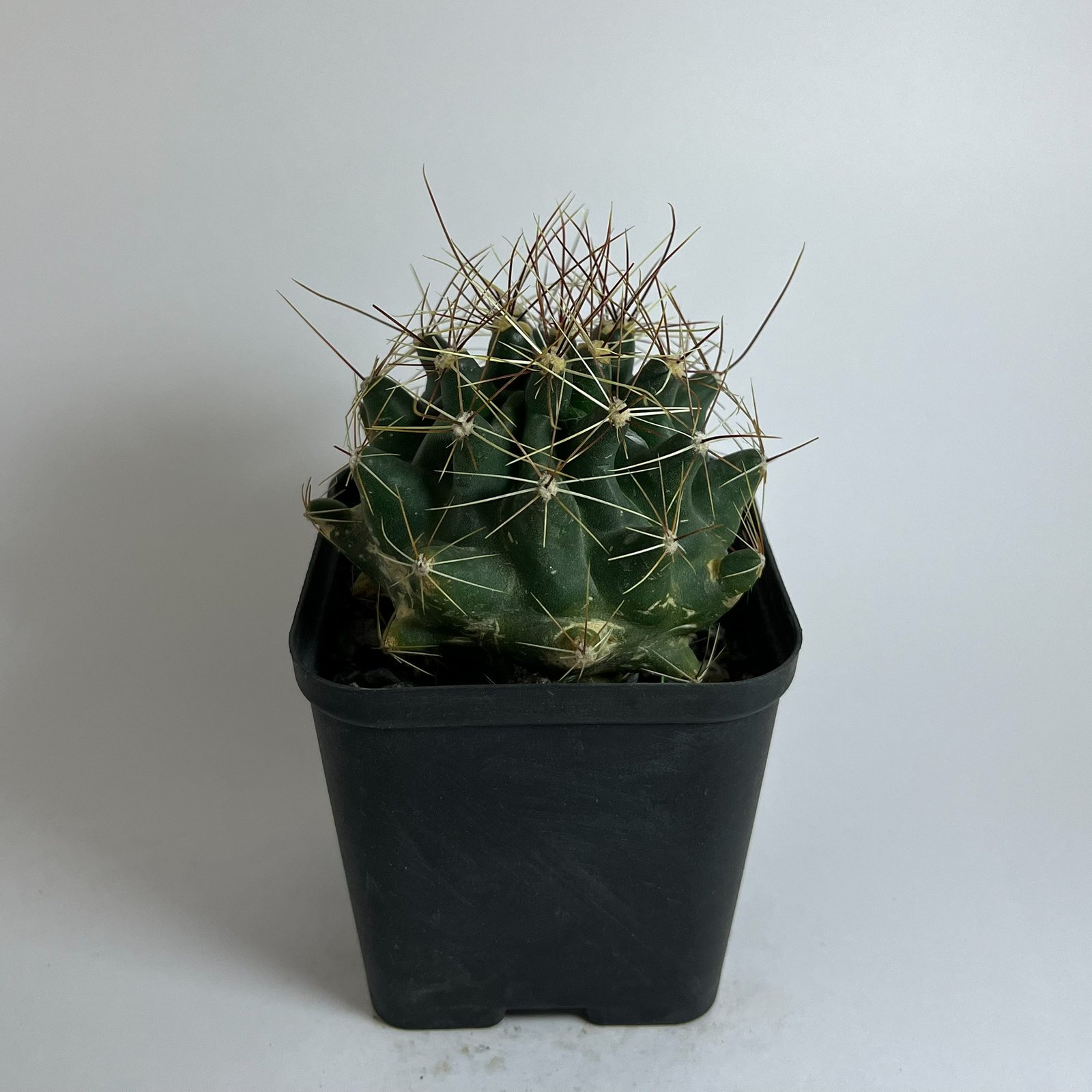
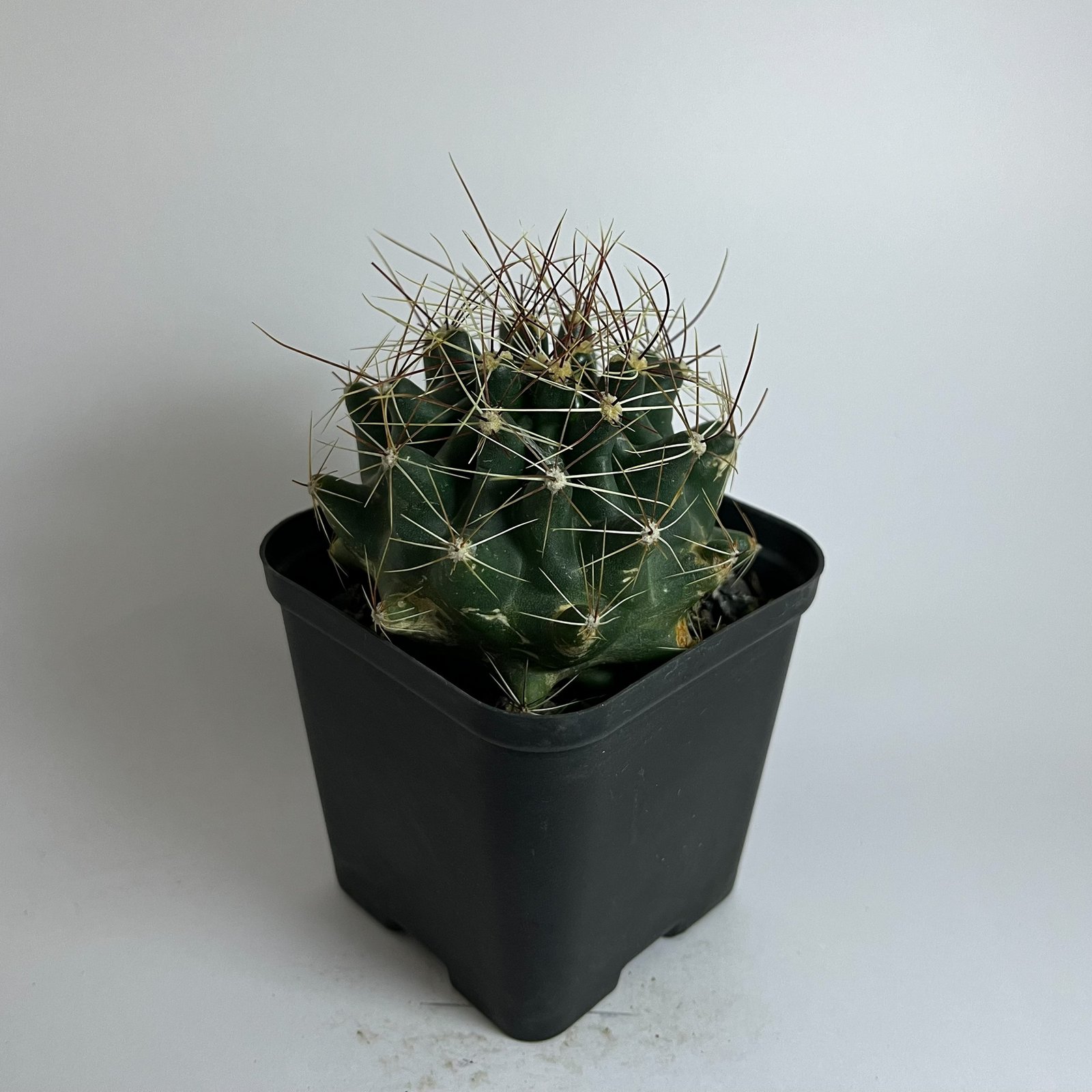
Hamatocactus setispinus, also known by the accepted name Thelocactus setispinus, is a beautiful solitary to occasionally clustering cactus native to southern Texas and northern Mexico. It develops a rounded to slightly elongated blue-green or yellow-green body with twisted ribs and prominent radial and hooked central spines. It is especially admired for its large, silky yellow flowers with deep red centers, which appear during summer and autumn.
☀️ Light
- Prefers full sun for healthy growth and flowering.
- During very hot summer weather, some light afternoon shade can help protect the plant from excessive heat.
- Indoors, place it in the brightest location available with plenty of direct sunlight.
- Gradually acclimate the plant when moving it from lower light to strong direct sunlight.
💧 Watering
- Spring & Summer: Water thoroughly when the soil is dry. During active growth, watering approximately once a week may be suitable depending on temperature, sunlight, and soil drainage.
- Allow excess water to drain completely before watering again.
- Autumn: Gradually reduce watering as the plant approaches its winter rest.
- Winter: Keep the plant completely dry, particularly when temperatures are around 5°C.
- ⚠️ Avoid keeping the soil constantly wet, as excessive moisture can cause root problems.
🌡️ Temperature
- Prefers warm conditions during the active growing season.
- It can tolerate relatively cold conditions when kept completely dry.
- For safer cultivation, keep the plant dry during winter and protect it from prolonged freezing conditions.
🌱 Soil
- Requires a porous, fast-draining cactus soil mix.
- Use a gritty mineral-rich mix with relatively little organic matter.
- Adding pumice, perlite, or coarse sand improves drainage and reduces water retention.
- Avoid heavy soils that remain wet for long periods.
🍽️ Fertilizer
- Feed during the active summer growing season with a diluted cactus fertilizer.
- Fertilizer can be applied along with watering during active growth.
- Stop fertilizing during the winter resting period.
🪴 Potting
- Use a pot with excellent drainage holes.
- A porous container and gritty soil help prevent excess moisture around the roots.
- Repot when the plant outgrows its container, preferably during the active growing season.
- Handle carefully during repotting because of its long radial and hooked central spines.
🌸 Flowering
- Produces large, silky yellow flowers with deep red centers.
- Flowers can reach approximately 4–5 cm in length and around 3–4 cm in diameter.
- Flowering occurs mainly from summer to autumn.
- Plenty of sunlight, active summer growth, and proper seasonal care encourage flowering.
🌵 Growth & Appearance
- Usually grows as a solitary cactus, although it can occasionally produce branches or form clusters.
- The body is globose to elongated-globose and can become more cylindrical with age.
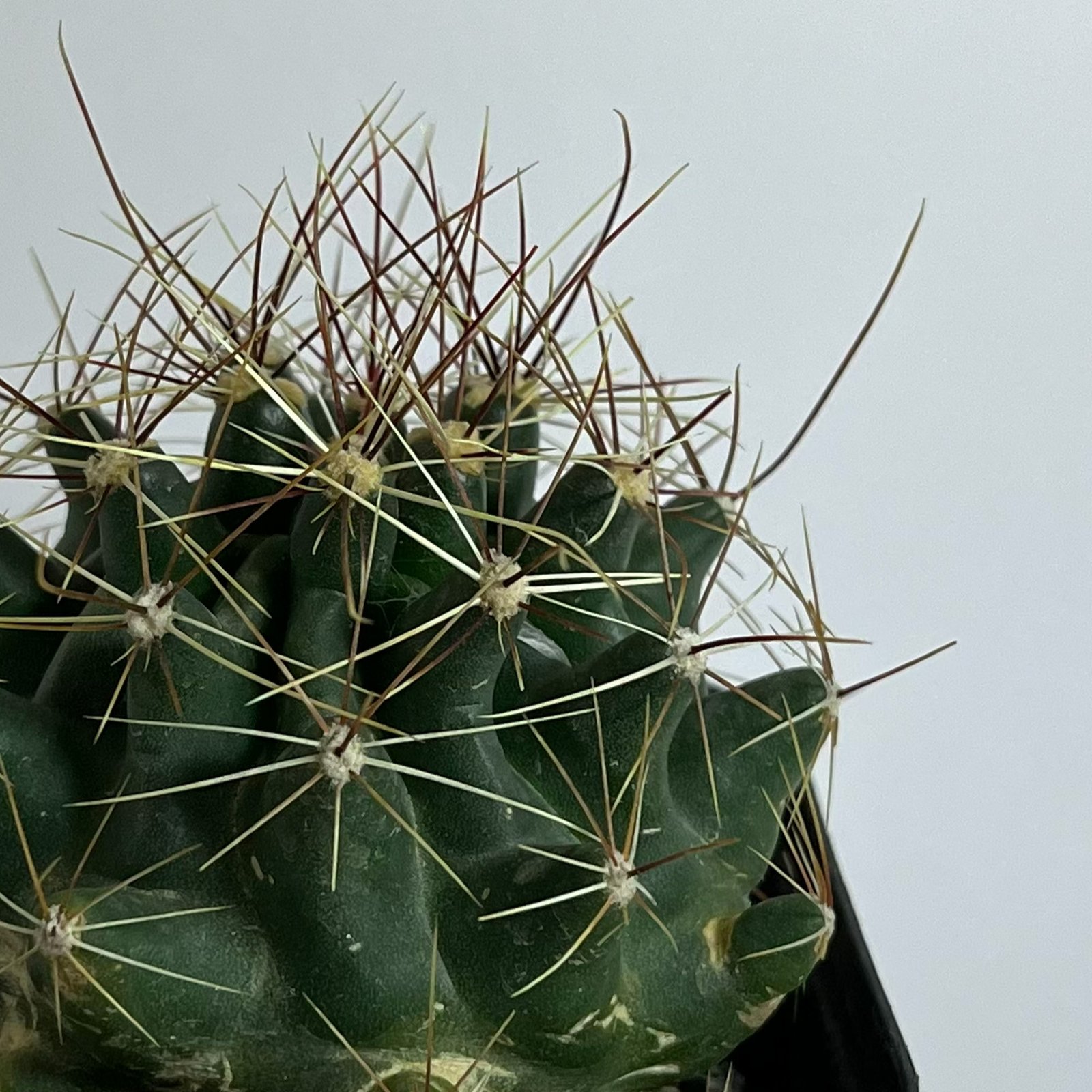
- Its distinctive ribs are somewhat twisted or undulating, giving the plant an attractive appearance.
- The spines include slender radial spines and longer central spines, with some central spines developing a characteristic hooked shape.
🎥 Need Help?
Watch detailed care guides, watering tips, repotting tutorials, and seasonal cactus care on our
YouTube channel – Cactus in Jalandhar
Watch detailed care guides, watering tips, repotting tutorials, and seasonal cactus care on our
YouTube channel – Cactus in Jalandhar